04 — LAUNDRY RENOVATIONS
Practical laundries,
prepared from
the floor up.
Laundries take more water, steam and daily wear than most rooms, yet they’re often the last space in a home to get attention. I update worn and impractical laundries for homeowners across Melbourne and surrounding suburbs, drawing on about 15 years of hands-on residential work. You deal directly with me, and the job starts with what sits under the surface.
WHAT A LAUNDRY JOB CAN INCLUDE
— Wall and floor tiling
— Flooring
— Plasterboard and plastering
— Interior painting
COORDINATED
Plumbing and electrical work, carried out by appropriately licensed tradespeople.
LAYER 01 — WHERE LAUNDRIES WEAR
What I check
before anything new goes in.
FLOOR
Water always finds the low point.
Leaking hoses and overflowing tubs end up on the floor. I look at the condition and level of the existing floor, any signs of moisture damage, and how the new floor surface needs to be prepared.
WALLS
A splashback needs a sound wall behind it.
Loose tiles, cracked grout and soft plasterboard around the tub usually point to a problem underneath. I check what the wall is made of and whether it needs repair or replacement before tiling.
CEILING AND PAINT
Steam shows up in plaster and paint.
Flaking paint and staining on ceilings are common in laundries with a dryer and little airflow. I’ll explain what I can repair and refinish. If an exhaust fan is needed, that’s arranged with a licensed electrician.
ASSESSMENT
The room decides the method.
The right renovation method, materials and scope depend on the existing condition of your laundry and what an on-site assessment shows. I’ll tell you what I think needs doing, why, and what limitations might affect the work.
LAYER 02 — RESPONSIBILITY
Who does
what in your laundry.
Moving a tub, adding a tap or relocating a power point is regulated work. I don’t do it personally, but I organise it as part of the job so you’re not left chasing separate trades.
Work I carry out
Surface and substrate preparation
Wall and floor tiling
Flooring installation
Plasterboard and plastering
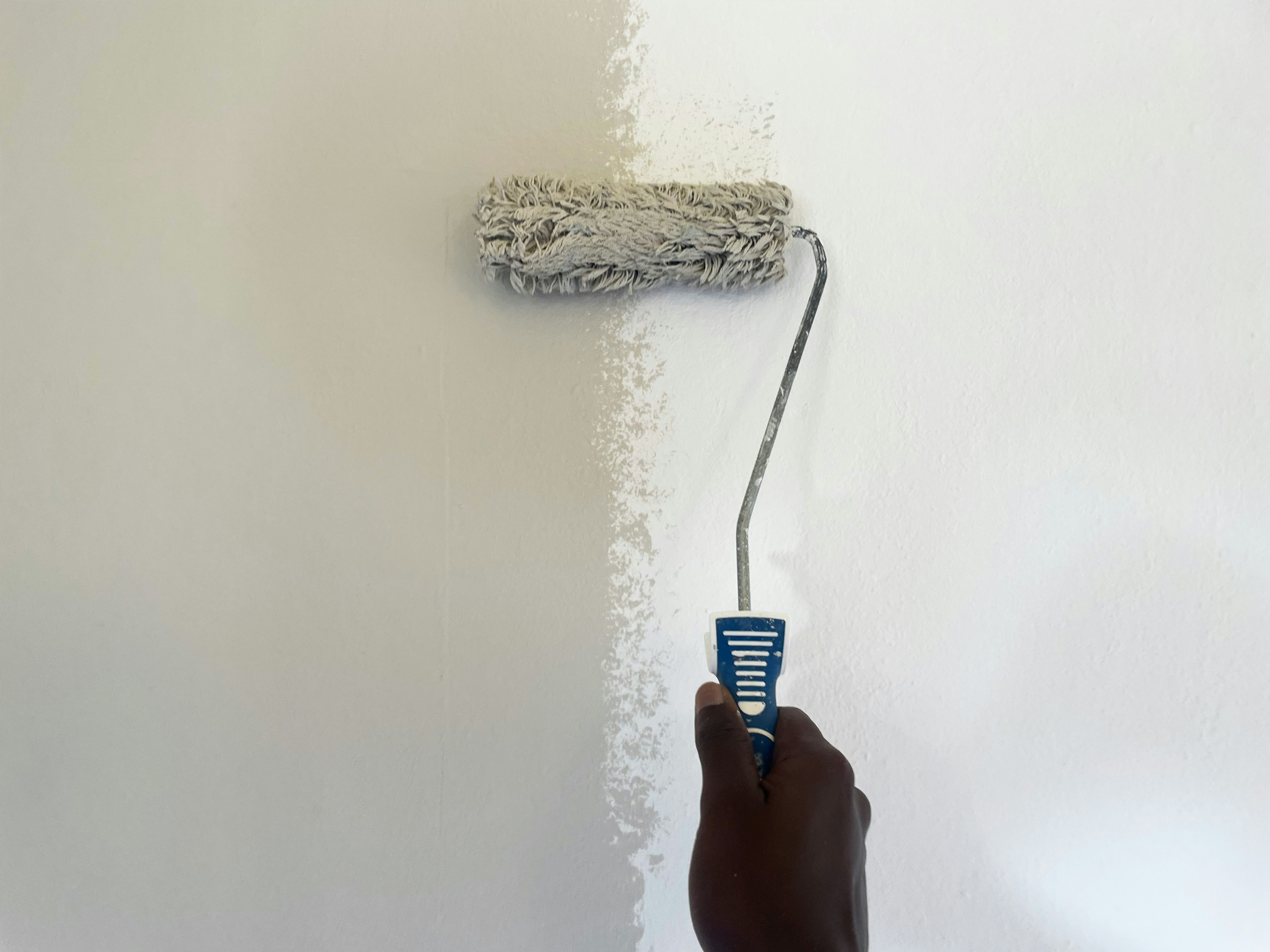
Painting walls and ceilings
Coordinated with licensed tradespeople
Electrical work, including power points and lighting
LAYER 03 — SURFACE
Finishes chosen
for a working room.
A laundry needs surfaces that handle wet hands, detergent spills and baskets dragged across the floor. We’ll talk through tile and flooring options that suit how you use the room, plus a paint finish that copes with moisture and is easy to wipe down.
LAYER 04 — ASSESSMENT
Before you
text me.
02 Close-ups of cracked tiles, soft walls or flaking paint
03 The floor, especially around the tub and washing machine
04 A line or two on what isn’t working and what you’d like changed
05 Your suburb
From there, I can arrange a free site visit to inspect the laundry and talk through your options before giving you a free quote.
Quotes are based on the agreed scope and the conditions that can reasonably be identified during inspection.