07 — INTERIOR & EXTERIOR PAINTING
Paint only lasts as long
as the surface under it.
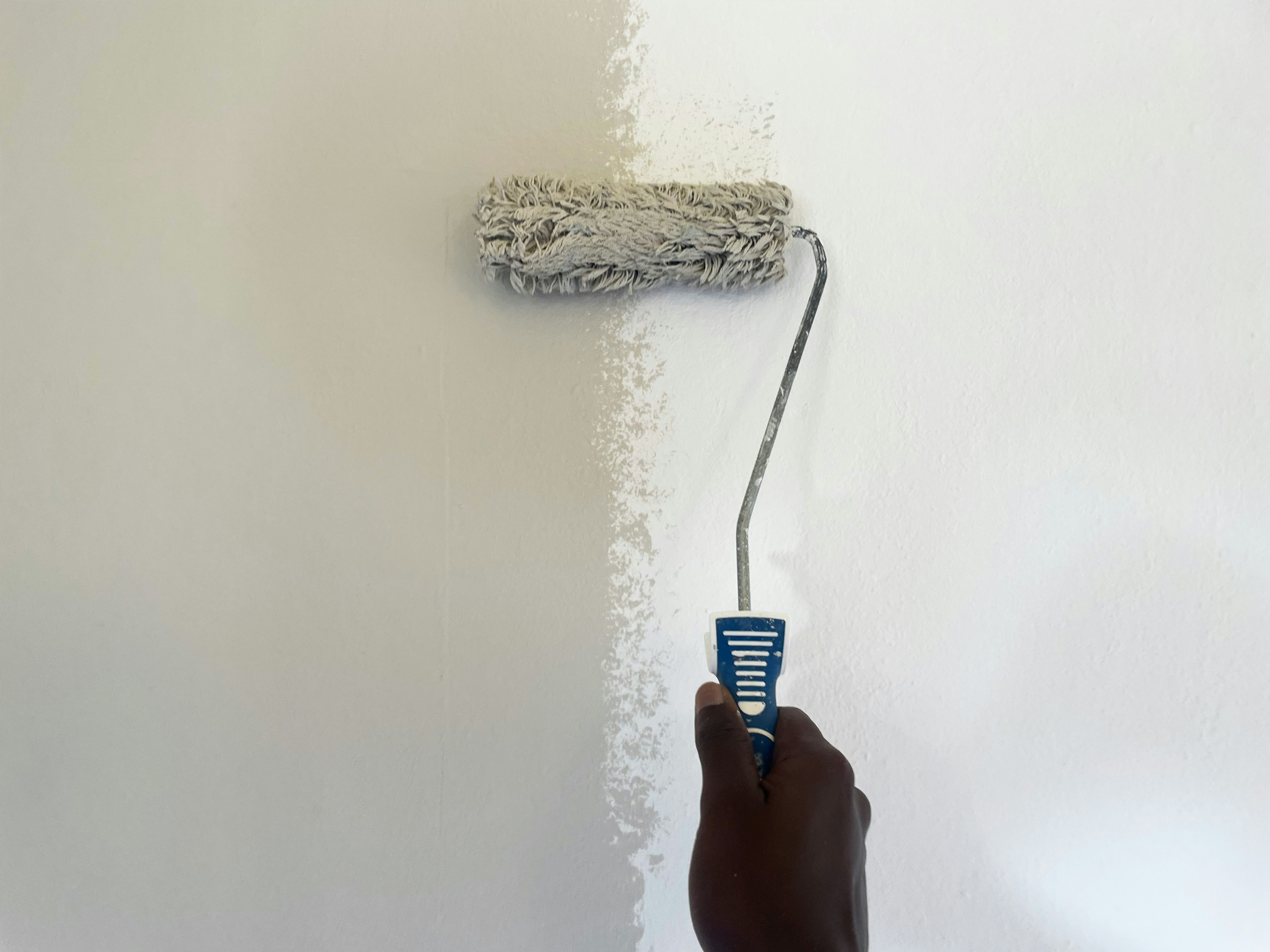
Interior and exterior painting for homeowners across Melbourne and surrounding suburbs. A fresh coat can look good for a few weeks over a poorly prepared wall, then the cracks, flaking and patchy sheen come back through. After about 15 years of hands-on residential work, I treat painting as a preparation job first. You deal directly with me, from the free site visit to the final coat.
LAYER 01 — WHAT I CHECK FIRST
Before the
first coat
— Cracks, holes and dents in plaster or plasterboard
— Damp marks, mould or staining that point to a cause underneath
— Glossy or old finishes that need sanding or a suitable primer
— Outside: weathered timber, failed sealant and which walls take the most sun and rain
LAYER 02 — THE ORDER OF WORK
Four steps,
colour last
Every painting job follows the same order: inspect, repair, prepare, then paint. How much time each step takes depends on the condition of the surfaces.
01
Look closely
I walk the rooms or elevations with you, test how well the old paint is holding and note anything that needs repair before it’s painted over.
02
Repair and fill
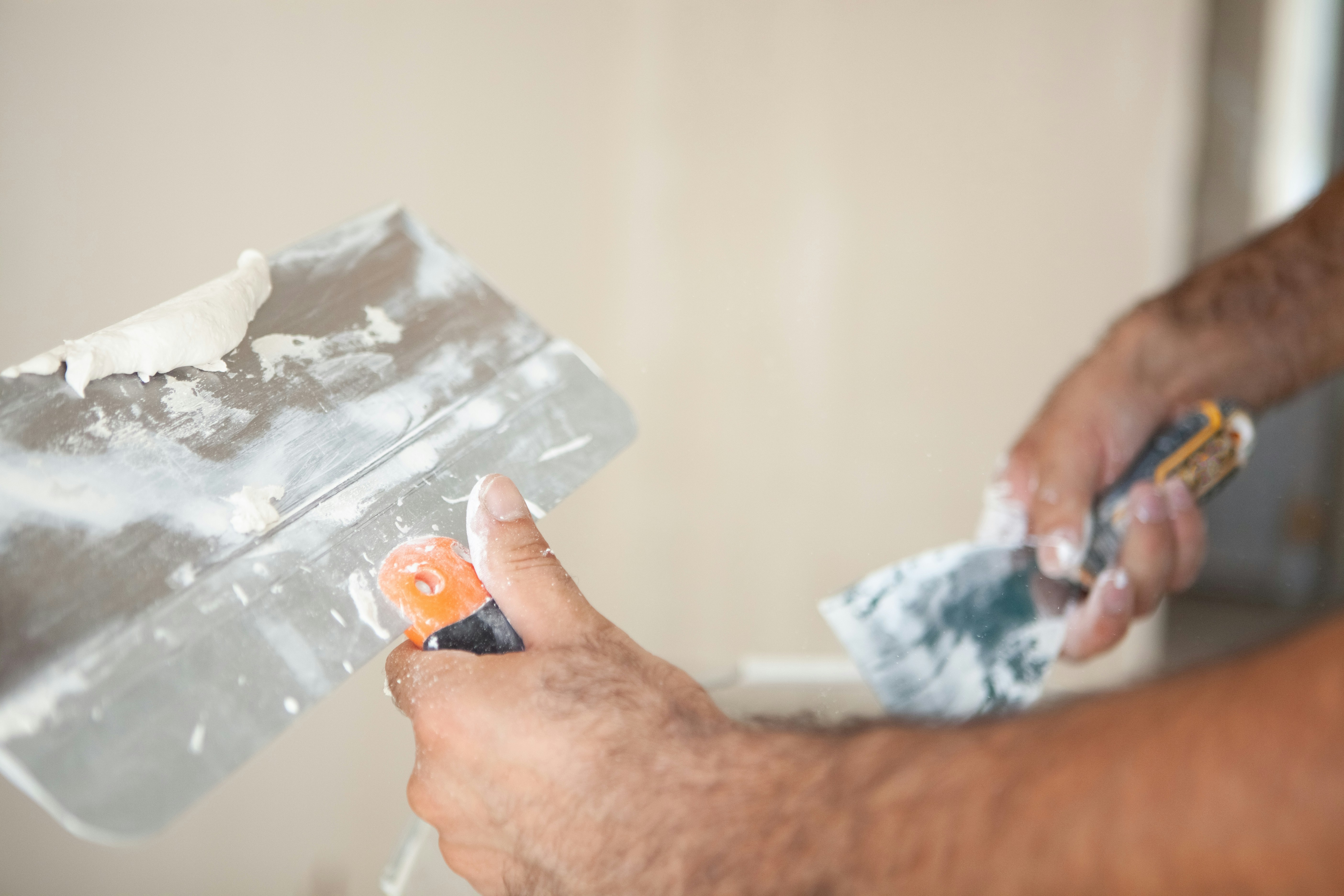
Loose paint is scraped back, cracks are opened and filled, and damaged plaster or plasterboard is patched so the surface is sound.
03
Sand, clean, prime
Repairs are sanded flat, surfaces are cleaned, and bare or patched areas are primed or sealed so the top coats dry evenly.
04
Top coats
Only then does the colour go on, with clean cut-in lines and the floors, fixtures and furniture around the work protected throughout.
LAYER 03 — EXPOSURE
Inside and out,
different wear
The same preparation rules apply everywhere, but what a surface faces each day changes the product choice and the amount of work underneath.
Interior painting
Living areas, bedrooms, ceilings, doors and trims. Bathrooms, laundries and kitchens need finishes that cope with steam and regular cleaning, and any mould or water staining needs its cause looked at before it’s painted. Interior painting often follows plastering or is part of a kitchen or bathroom renovation.
Exterior painting
Weatherboards, fascias, eaves, render and timber details deal with Melbourne sun, wind and rain. North and west-facing walls usually weather fastest, so they often need more scraping, sanding and repair. Exterior work also depends on dry conditions for preparation and drying, so timing is agreed around the weather.
LAYER 04 — SUBSTRATE
Repairs come
before colour
Most of the time on a good paint job is spent on work nobody notices afterwards. A hairline crack painted over comes back within a season. A patch that hasn’t been sanded and primed shows through as a dull spot under a satin finish. Because I also do plasterboard installation and plastering, I can repair the wall properly instead of hiding the problem under another coat.
I’ll tell you what I think needs doing, why I recommend that approach and what might limit the result, such as old water damage or a surface that has been painted many times. Where the cause of a damp patch involves plumbing, I coordinate with an appropriately licensed plumber rather than doing that work myself.
ASSESSMENT
Start with a few
photos of the walls
Text me a short description and a few photos, including close-ups of any cracks, flaking or stains. From there we can arrange a free site visit so I can look at the surfaces properly and give you a quote.
The right method, products and scope depend on the existing condition of your property and what the on-site assessment shows. Quotes are based on the agreed scope and the conditions reasonably identifiable during inspection.